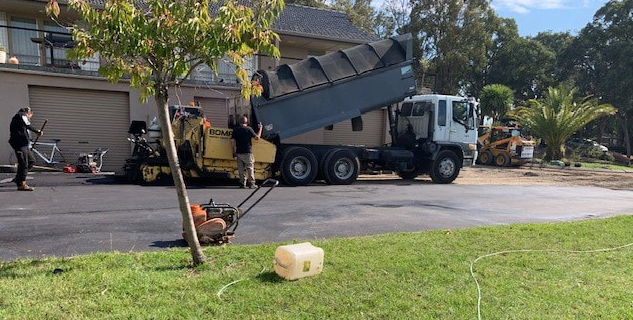
Maintaining a durable road or driveway surface requires a solution that protects the underlying pavement while providing reliable performance under regular traffic. Spray and seal bitumen is a widely used surfacing method that can help preserve existing road surfaces, improve resistance to water penetration and support long-term pavement maintenance.
For property owners and businesses in Dandenong South, VIC, choosing an appropriate surfacing method is important for keeping access roads, driveways and other paved areas in good condition. Understanding how spray and seal bitumen works, where it is suitable and what preparation it requires can help you make an informed decision about your surfacing project.
What Is Spray and Seal Bitumen?
Spray and seal bitumen is a road surfacing technique that involves applying a controlled layer of bitumen binder to a prepared surface, followed by the application of aggregate. The aggregate is then embedded into the binder through rolling, creating a protective layer over the existing pavement.
Depending on the project’s requirements, the process may involve one or more applications of binder and aggregate. The appropriate design depends on factors such as traffic levels, the condition of the existing surface and the intended use of the area.
Unlike asphalt, which is produced as a mixture of bitumen and aggregate, spray and seal creates its surface layer by applying the binder and stone separately. This makes it a useful option for suitable roads and driveways where surface preservation and protection are priorities.
The Main Benefits of Spray and Seal Bitumen
Helps Protect Against Water Penetration
Water entering cracks and surface defects can contribute to pavement deterioration. Over time, moisture may weaken the underlying layers and lead to further damage, particularly when drainage is inadequate.
A properly applied spray and seal treatment helps create a protective barrier that reduces water penetration through the surface. Effective drainage and suitable preparation remain essential, as the treatment cannot compensate for significant structural problems beneath the pavement.
Supports Long-Term Surface Maintenance
Spray and seal can be used to maintain suitable existing pavement before deterioration becomes more extensive. By protecting the surface and helping preserve the underlying road structure, it can form part of a planned maintenance programme.
Early assessment is important. A surface with widespread structural failure, severe deformation or extensive potholes may require repairs or more substantial rehabilitation before a new seal can be applied.
Provides a Practical Surfacing Option
Spray and seal is often considered for roads, accessways and driveways where the existing pavement is suitable for treatment. Its suitability depends on the condition of the base, the required surface performance and the volume and type of traffic using the area.
For commercial and industrial properties in Dandenong South, selecting an appropriate surfacing system can help maintain dependable access for vehicles and support the continued use of paved areas.
Offers Flexibility for Different Applications
The binder and aggregate selection can be adjusted to suit the pavement’s requirements. Aggregate size, application rates and the number of seal layers all influence the finished surface and its performance.
A professional assessment helps determine the most appropriate approach for the intended use, whether the project involves a driveway, access road or another suitable paved area.
How the Spray and Seal Process Works
A successful spray and seal project relies on proper preparation and accurate application. Each stage contributes to the quality and durability of the finished surface.
Surface Inspection and Preparation
The existing pavement should be assessed for cracks, potholes, loose material, drainage issues and signs of structural weakness. Any necessary repairs should be completed before sealing begins.
The surface must also be prepared to help the bitumen binder and aggregate bond effectively. Applying a seal over an unsuitable or poorly prepared surface can reduce its performance and lead to premature deterioration.
Applying the Bitumen Binder
The binder is sprayed evenly across the prepared pavement using suitable equipment. Consistent application is important because insufficient or excessive binder can affect aggregate retention and the finished surface.
The binder type and application rate should be selected according to the pavement condition, aggregate characteristics and project requirements.
Spreading and Rolling the Aggregate
Aggregate is distributed over the binder and rolled to help embed the stone into the surface. This process establishes the wearing layer and supports the bond between the aggregate and bitumen.
Traffic should be managed appropriately while the seal develops, following the surfacing contractor’s guidance. Correct timing, rolling and post-application care all contribute to the final result.
Is Spray and Seal Suitable for Your Driveway or Road?
Spray and seal can be suitable for existing pavement that remains structurally sound and requires surface protection. However, it is not the right solution for every situation.
Before choosing this method, consider the pavement’s current condition, the vehicles that will use it, drainage performance and the expected level of traffic. Areas exposed to frequent heavy vehicles may require a different pavement design from a lightly used residential driveway.
The finished surface also has a different texture and appearance from asphalt. Understanding these differences can help you select a treatment that matches the practical needs of your property.
For projects in Dandenong South, VIC, a professional site assessment can help establish whether spray and seal is appropriate or whether repairs or another surfacing method would provide better results.
Maintaining a Spray and Seal Surface
Although spray and seal is designed to protect pavement, regular inspections remain important. Look for loose aggregate, emerging cracks, potholes and areas where water collects after rainfall.
Addressing drainage problems and repairing localised defects promptly can help prevent further deterioration. The timing of future maintenance will depend on traffic conditions, weather exposure, pavement construction and the quality of the original application.
Keeping the surface under observation allows developing problems to be identified before they affect larger sections of the pavement.
Choosing Spray and Seal Services in Dandenong South, VIC
The quality of a spray and seal surface depends on more than the materials used. Accurate application, suitable aggregate selection, effective preparation and an understanding of the existing pavement are all important.
Dandenong South Road Tech provides driveway and surfacing services for projects in Dandenong South, VIC, Australia. If you are considering spray and seal bitumen for your driveway or access road, discussing the condition and intended use of the surface with an experienced contractor can help you identify the most suitable approach.
Conclusion
Spray and seal bitumen is a practical road surfacing method that can help protect suitable pavements against water penetration, support ongoing maintenance and improve the serviceability of existing roads and driveways. Its effectiveness depends on proper preparation, the correct choice of materials and an application method suited to the surface.
If your driveway or paved access area needs attention, contact Dandenong South Road Tech to discuss your surfacing requirements in Dandenong South, VIC, Australia. A professional assessment can help determine whether spray and seal is the right solution for your property.
Call us on: 03 9068 7895
Click here to find out more about Dandenong South Road Tech
Click here to complete our contact form and see how we can help with your driveways.