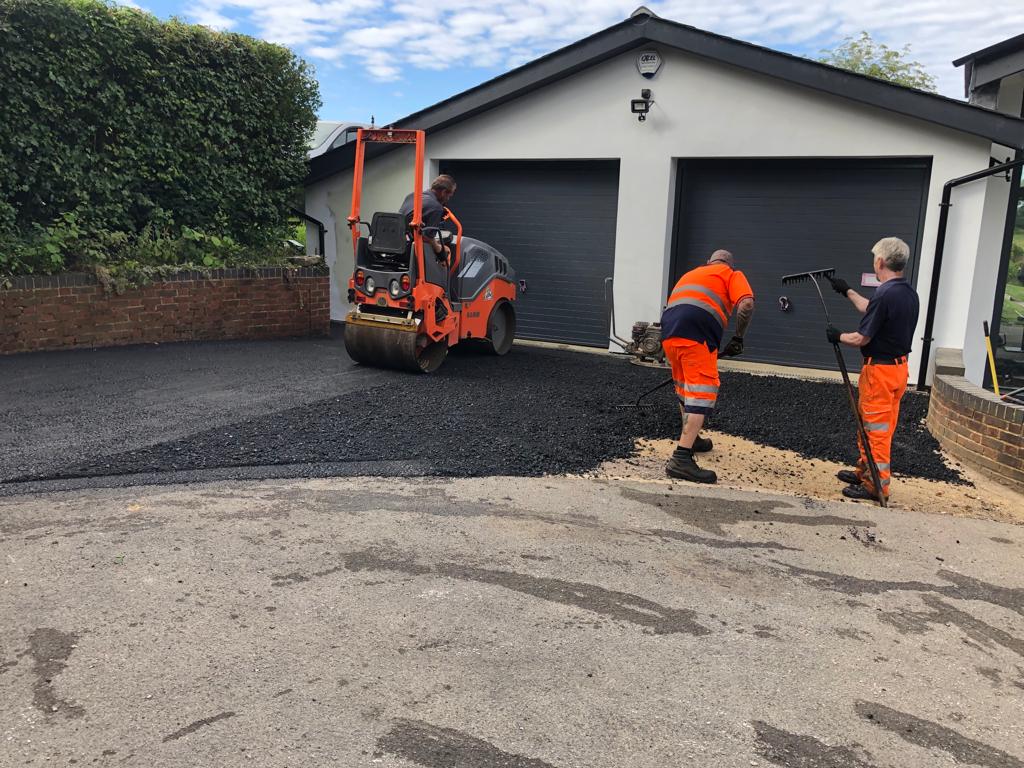
Existing roads and paved surfaces are constantly exposed to vehicle traffic, changing weather conditions and general wear. Over time, these factors can cause the surface to lose its protective qualities, develop minor cracks and become increasingly vulnerable to deterioration. Spray and seal bitumen is a practical surfacing treatment that can help protect suitable existing roads while improving their overall condition.
For property owners, businesses and site managers in Dandenong South, VIC, spray and seal offers a useful way to maintain road surfaces and support their long-term performance. Understanding how the process works and what it can achieve helps determine whether it is the right option for an existing bitumen surface.
What Is Spray and Seal Bitumen?
Spray and seal is a bituminous surfacing process that involves applying a controlled layer of bitumen binder to a prepared surface, followed by the application of aggregate. The aggregate is then rolled into the binder to create a protective wearing course.
Depending on the condition of the existing surface and the project requirements, the treatment may involve one or more applications of binder and aggregate.
The finished surface provides a new protective layer that helps reduce direct exposure of the underlying pavement to water, sunlight and everyday traffic. It is commonly used for suitable roads, accessways, car parks and other paved areas.
Helping Prevent Water From Entering the Pavement
Water penetration is one of the factors that can contribute to road deterioration. When moisture enters cracks and small openings, it can affect the underlying pavement layers and weaken the surface over time.
Spray and seal bitumen helps create a water-resistant barrier across the existing surface. By limiting the amount of water entering the pavement, it can help protect the underlying layers from moisture-related damage.
Effective drainage remains important, as water should be directed away from the road rather than allowed to collect in low spots. Preparing the surface properly before treatment also helps achieve a consistent result.
Protecting Against Sunlight and Oxidation
Bitumen gradually changes as it is exposed to sunlight and oxygen. This process, known as oxidation, can make the binder harder and less flexible, increasing the likelihood of surface cracking.
A spray and seal treatment introduces a fresh bituminous binder layer that helps protect the existing pavement from further exposure. This can support the condition of the road and reduce the rate at which the underlying binder deteriorates.
The treatment is particularly useful where the existing surface is still structurally suitable but is beginning to show signs of ageing and weather exposure.
Reducing the Impact of Everyday Traffic
Vehicle movements place repeated pressure on road surfaces. Braking, turning and regular traffic can gradually wear down the exposed aggregate and bituminous binder.
The new aggregate layer created during spray and seal provides a wearing surface designed to accommodate normal traffic demands. It also helps restore surface texture, which contributes to tyre grip.
For commercial properties and access roads in Dandenong South, this can be valuable where vehicles use the same routes regularly. The correct aggregate selection and application method are important for achieving a surface suited to the expected traffic.
Improving Surface Texture and Appearance
As bitumen surfaces age, they can become worn, uneven in appearance or lose some of their original texture. A spray and seal application can refresh the visible surface by introducing new binder and aggregate.
The aggregate provides a textured finish that can improve tyre contact and create a more consistent appearance across suitable areas.
However, spray and seal is not designed to correct every type of surface defect. Significant potholes, deep depressions, widespread structural failure and unstable pavement sections may require repairs or more extensive reconstruction before a new treatment can be considered.
Why Surface Preparation Is Essential
The success of a spray and seal project depends heavily on the condition of the existing pavement and the quality of preparation.
Before application, the surface should be inspected and cleaned to remove loose material, dirt and other contaminants. Existing defects may need to be repaired, while drainage and surface levels should be checked to identify any underlying issues.
The binder must be applied evenly, and the aggregate needs to be distributed and compacted correctly. These steps help ensure that the new treatment bonds properly and provides consistent protection.
Professional assessment is therefore important when deciding whether an existing road is suitable for spray and seal.
Choosing Professional Spray and Seal Services in Dandenong South
Although spray and seal is a well-established surfacing method, achieving a durable finish requires suitable materials, careful preparation and controlled application.
Dandenong South Road Tech provides bitumen surfacing services in Dandenong South, VIC, Australia. Whether you are maintaining an existing access road, commercial surface or other suitable paved area, professional guidance can help establish whether spray and seal is an appropriate solution for your site.
Conclusion
Spray and seal bitumen helps protect existing road surfaces by creating a new wearing layer that limits water penetration, reduces exposure to weathering and provides renewed surface texture. When applied to a suitably prepared pavement, it can help maintain the condition and usability of the road.
If you are considering spray and seal for an existing surface in Dandenong South, VIC, Australia, contact Dandenong South Road Tech to discuss your requirements and arrange a professional assessment.
Call us on: 03 9068 7895
Click here to find out more about Dandenong South Road Tech
Click here to complete our contact form and see how we can help with your driveways.